What do pet retail buyers actually want?
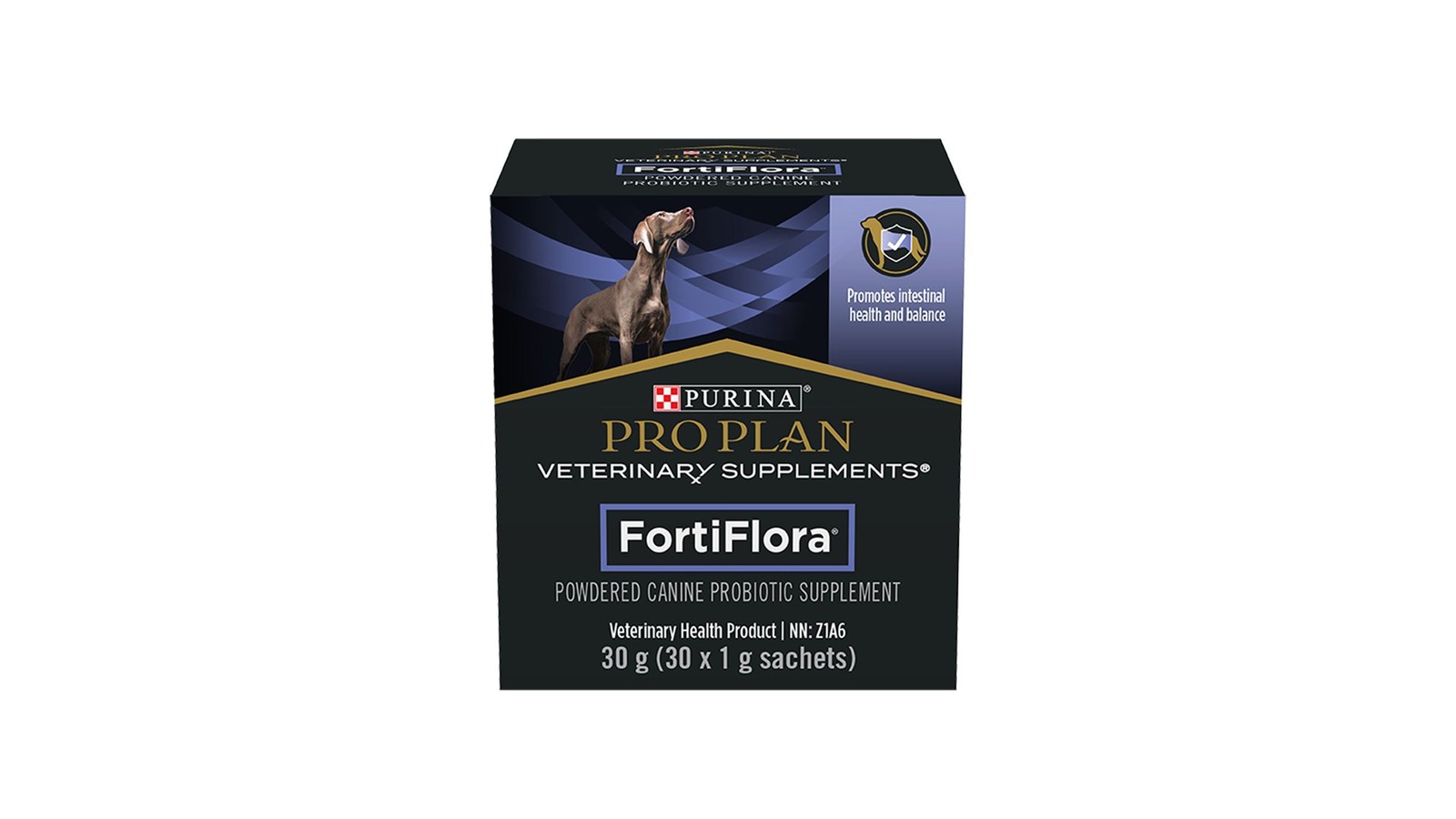
I've sat across from Walmart and PetSmart buyers for Purina, Hill's and Moose Toys. Their job is to grow the category, not to give new brands a chance. Every pitch gets judged on four questions:
- Will it sell? Proof that shoppers buy it and buy it again.
- Does the margin work? A shelf price that fits the aisle and leaves the retailer its margin.
- Will you bring shoppers? A marketing plan that sends people to their shelf, not just your website.
- Can you supply it? Capacity, lead times and forecasts that keep the shelf full.
If your item only takes sales from a brand they already carry, it's a hard sell. Show how you bring new shoppers or new spending into the category.
Step 1: Prove demand before you pitch
Buyers trust sales data more than a great deck. Before you go after a national chain, build proof where it's easier to get in:
- Independent pet stores and regional chains, with sales per store per week
- Amazon, Chewy or your own site, with reviews, ratings and repeat rate
- A clear picture of who buys you and why they switched
A few dozen independent stores with steady sales say more than any forecast.
Step 2: Get your pricing and margin right
Work backwards from the shelf price. Take off the retailer's margin, any distributor margin, your trade and promo spend, and your cost to make and ship. If there isn't enough left, fix it before you pitch.
Check your price against the brands you'll sit beside. A premium is fine if the reason is obvious on the pack. Retailers may also ask for new item allowances, free fills or promo commitments. Terms vary by retailer, so ask early and budget for them. Getting this math right for your brand is the first thing I do in a Growth Audit.
Step 3: Build a buyer-ready pitch
A buyer wants the whole story in a few pages: proof it sells, pricing and margin, a promo plan, how you'll bring shoppers in, and whether you can supply it. Most founder decks I see miss at least two of these. Your label and claims also have to meet the rules for your category before anyone will list you.
In Retail Launch I build this pitch with you, and the retail brokers on my team take it in.
Step 4: Get the meeting at the right time
Big retailers review each category on a set calendar, often once a year, and they plan months ahead. Pitch outside that window and you wait. Find out when your category is reviewed and work back from it.
The fastest route in is usually a broker who already calls on that retailer. Trade shows such as Global Pet Expo and SuperZoo also put you in front of buyers. That's why my Retail Launch includes the retail brokers on my team: they open the door, and I make sure you're ready when it opens.
Step 5: Plan sell-through before the first order
Getting listed is the start. The first 90 days decide whether you stay. Plan it before the first order ships:
- Retail media on the retailer's own site and app
- Social and creator content that points to that retailer
- Promos timed to the retailer's calendar
- Weekly sales tracking, with quick fixes for out-of-stocks and wrong shelf spots
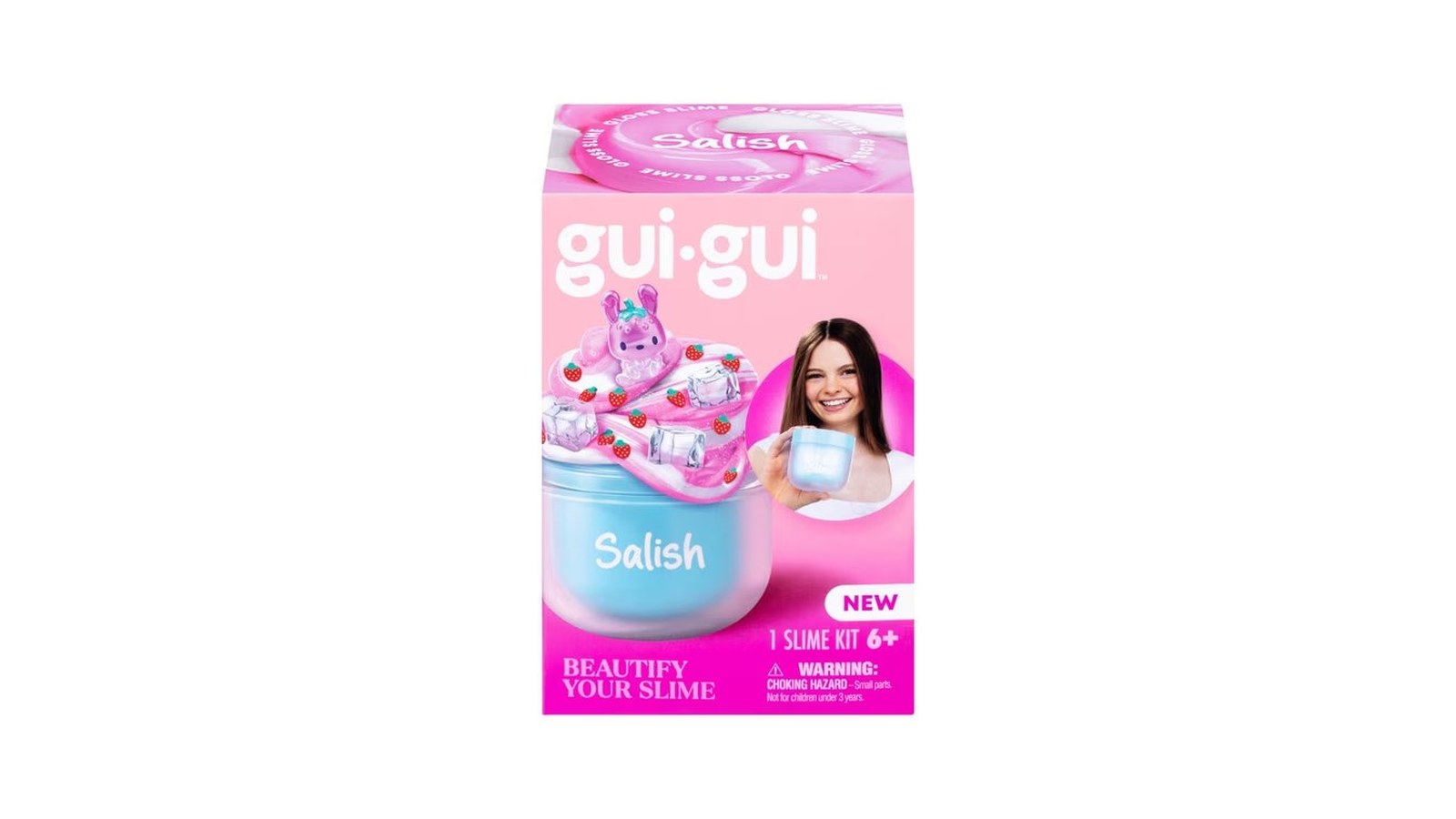
At Moose Toys we timed creator unboxings to the week stock hit Walmart. Gui Gui sold through 96% in five weeks at a premium price, with no discounts.
Selling in Canada?
Petco isn't in Canada. There, pet specialty means Pet Valu, PetSmart Canada and independents, alongside Walmart Canada and Amazon.ca, and packaging usually needs English and French. Read how to launch your CPG brand in Canadian retail.
Mistakes that cost brands the shelf
- Pitching before you have sales proof
- A shelf price that doesn't survive the retailer's margin
- No money set aside for promos and marketing after launch
- Missing the category review window
- Treating the first order as the finish line
Common questions
How long does it take to get into PetSmart or Walmart?
Often 6 to 12 months from first conversation to product on shelf, mostly because of the category review calendar. It can be faster if you hit the right window with a ready pitch.
Do I need a broker to get into big pet retailers?
Not always, but a broker who already calls on the account can get you a meeting faster and handles follow-up. Many larger brokers want $2M to $3M in sales before they'll take you on, which is why Retail Launch is built for brands below that line.
Should I start with PetSmart and Petco or with independent stores?
For most young brands, start with independents, regional chains and Amazon to build sales proof. Then take that proof to the national chains.
What should I bring to my first buyer meeting?
A sell sheet, samples, your pricing and margin, sales proof, a promo calendar, your marketing plan to drive shoppers to their shelf, and your supply plan.
More guides
- What does a fractional CMO cost for a CPG brand?
- How to grow Amazon Subscribe & Save for a pet brand
- Fractional CMO for pet brands: what one does and when you need one
- How to launch your CPG brand in Canadian retail
- Pet supplement marketing: how to grow beyond the vet clinic
- How to grow a pet brand on Chewy